



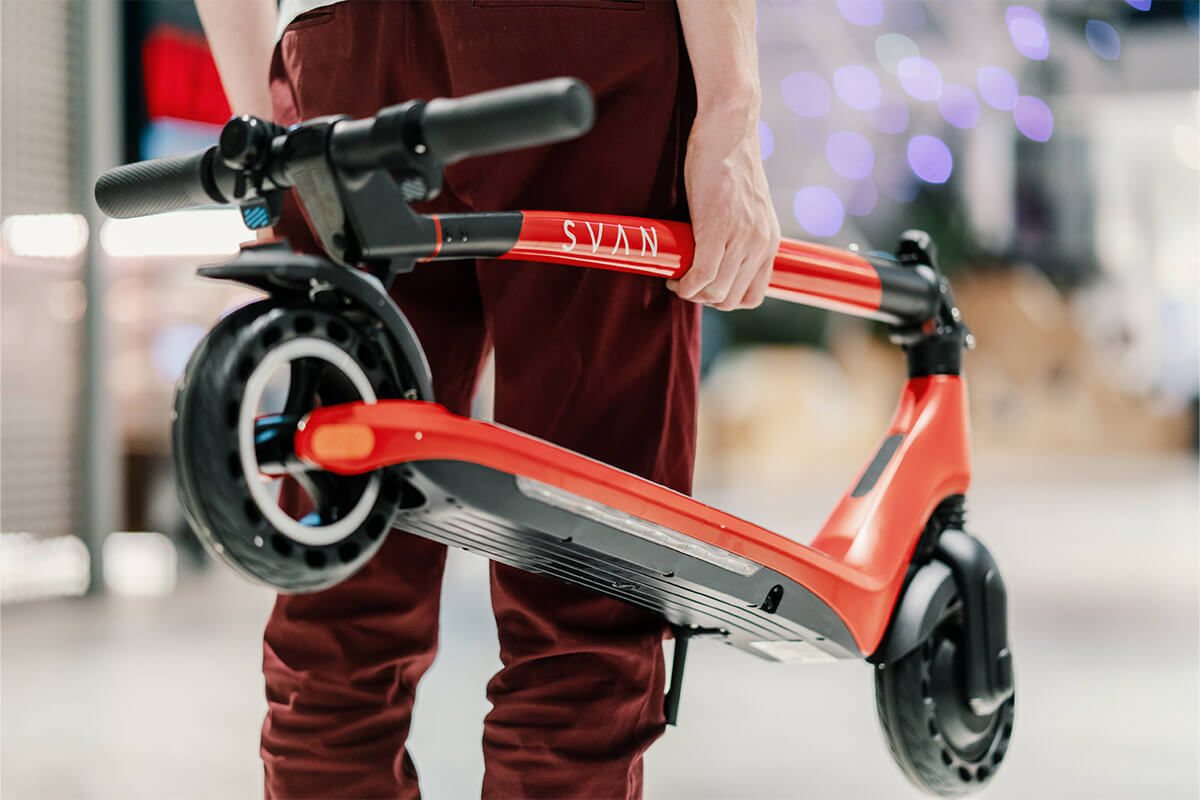
Electric Scooter Buyer’s Checklist – How to Make a Smart Decision ✔️
Thinking about buying an electric scooter? This checklist helps you understand what to consider before making your purchase — from the battery and weight capacity to weather resistance (IP rating). In the end, you’ll find a scooter that fits your lifestyle, not just your budget.
In Estonia, there are really only two seasons: one when scooters are kept in the garage, and when they’re scattered around at intersections.
If you’ve decided that you want to ride your own scooter — not a rental or your friend’s — all year round, this guide will walk you through the key points to think about before you buy. It’s not just a list of technical specs — it’s a common-sense guide for smart buyers who don’t want to regret their purchase later.
1. How Far and How Often Will You Ride?
Think about your daily commuting or riding habits. Are your trips short or long?
A simple rule: every 100 Wh of battery gives you roughly 5–7 km of range.
- Short rides: up to 400 Wh → 20–30 km range
- Medium rides: 500–700 Wh → 30–50 km range
- Long rides: 800 Wh and above → 60+ km range
2. What Kind of Roads Will You Ride On?
Estonian roads aren’t always smooth. Smaller wheels (8–8.5”) are fine for city riding on good asphalt, while larger wheels (10–11”) offer better stability and comfort.
If you ride on gravel or uneven roads, choose a scooter with suspension. A larger wheel makes a big difference on rough terrain than almost any other feature.
3. Will You Ride Alone or Share the Scooter?
If the scooter will be used by several people in the household, go for a lightweight model (under 20 kg) with an adjustable handlebar height. A wide deck adds comfort and makes it easier for riders of different sizes to use. If your family includes both a 12-year-old and a 40-year-old rider, an adjustable handlebar isn’t a bonus — it’s a must.

4. Comfort and Design
Pay attention to the little details: the handlebar clamp should be sturdy, the deck non-slip, the lights bright, and cables neatly hidden or secured. The fewer rattles and creaks, the more you’ll enjoy your scooter in the long-term. Ideally, the scooter should feel balanced — neither too twitchy nor too sluggish.
5. Weather Resistance and IP Rating
The IP rating shows how well the scooter withstands water and moisture:
- IPX4 – splash-resistant
- IPX5 – rain-resistant
- IPX6 – protection from heavy rain
- IP67+ – fully sealed and waterproof
If the IP rating isn’t listed at all, take that as a warning not to ride in the rain. Water damage usually voids the warranty.
6. Weight Capacity and Rider Weight
Most scooters are rated for 100–120 kg, some up to 150g, but always leave some margin — hitting curbs or bumps can momentarily add 20–30% more load. If you weigh around 95 kg, choose a scooter rated for at least 120 kg to protect the frame and suspension from early wear.
7. Motor Power and Hill Climbing Ability
- 250-350 W – good for flat city rides
- 500–700 W – gives extra punch on hills
- 2 × 500 W motors – handle steep climbs with ease, even for heavier riders
By law, scooters can have up to 1000W nominal motor power.
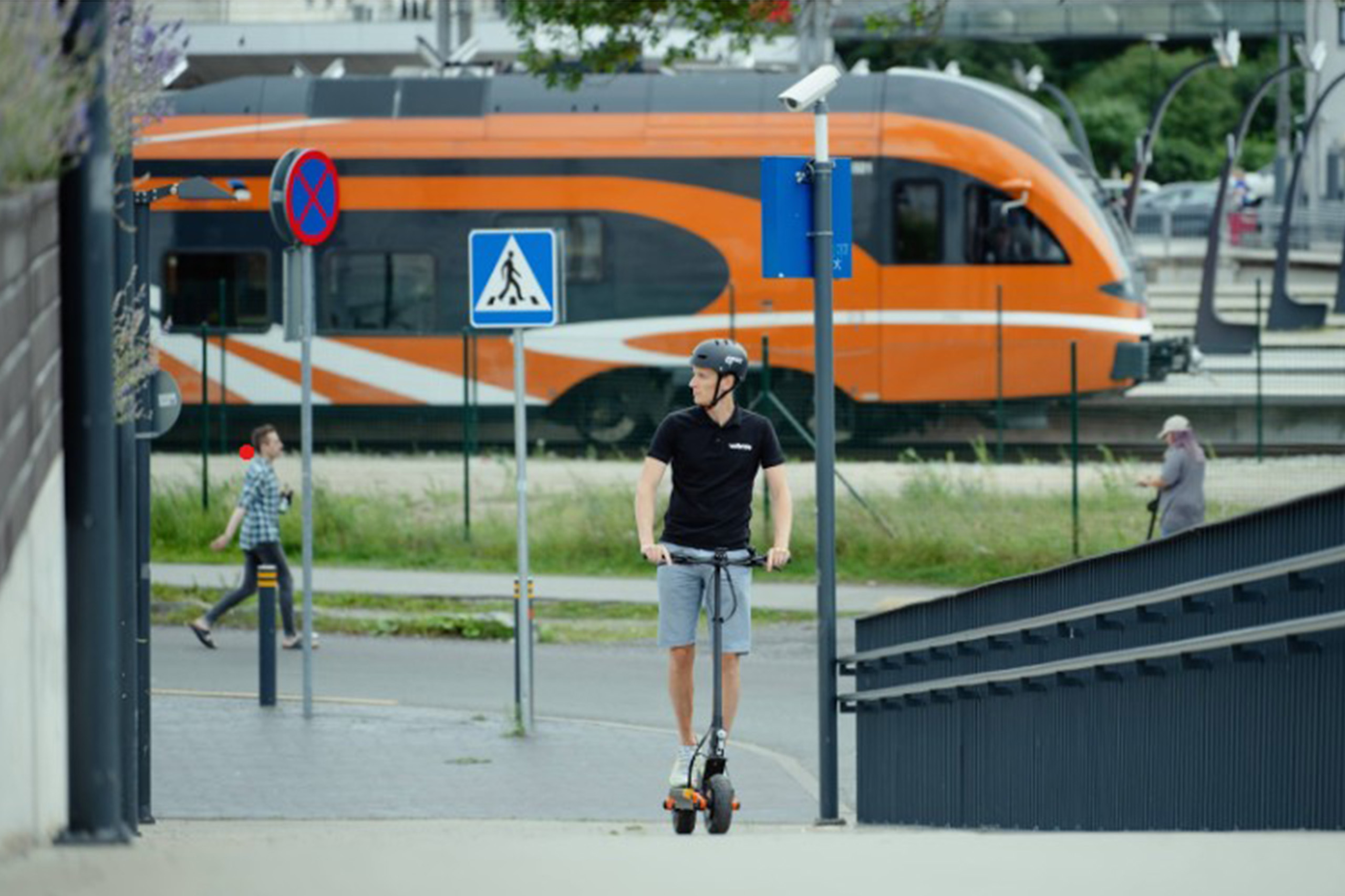
8. Folding Mechanism and Portability
If you need to lift or carry your scooter often, every kilogramm counts.
- Under 15 kg – very portable
- Over 25 kg – requires strength or convenient ground-level use
If you’ll be folding your scooter regularly, try the folding mechanism before buying — it should be quick and simple.
9. Customization and App Features
Most scooters let you switch the speed modes; some also allow cruise control or setting whether the throttle works as zero-start or after a push start.
Newer models (like Segway, Inmotion, Dualtron) let you adjust many settings, including acceleration curve, electronic braking intensity, LED lighting, and auto-locking.
If you like things simple, go for a plug-and-play model. If you want a personalized riding experience, choose one with app support.
10. Charging and Battery Care
Charging time varies between 4–12 hours — the bigger the battery, the longer the charging time. Some models allow dual charging or fast charging. Fast charging saves time. Slow charging preserves battery life.
Never leave your scooter charging unattended or in humid environments. Charge at room temperature and use the original charger.
11. Warranty and Maintenance
Check whether service and spare parts are available in Estonia. Voltride offers warranty service for all the brands it sells — GPad, Dualtron, Xiaomi, Segway, Inmotion, E-TWOW, and more. You can also bring in any scooter for general maintenance. That means you won’t have to ship it abroad (to Poland or Germany) for minor issues.
Note: Video is in Estonian.
Quick Pre-Purchase Checklist
- Range and weight meet my needs
- Wheel size and suspension suit my roads
- IP rating is sufficient
- Weight limit fits me with a 10–15% margin
- Warranty and service available in Estonia
If you can tick all these boxes, you’re ready — not just to ride, but to ride smart.
Summary
Choosing a scooter doesn’t have to be complicated. But a poor decision can turn your daily commute from joy into frustration. When you know what you need and choose accordingly, your scooter will last for years, and every ride will feel like a refreshing breeze.
See what our customers say









Since 2016 Voltride has shipped over 12,000 packages to private and B2B customers


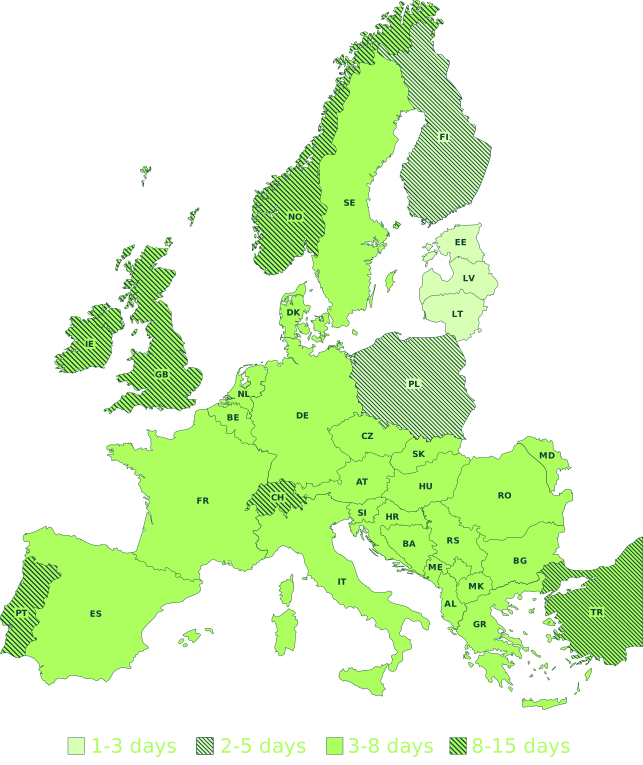
Fast Shipping all across Europe
Watch Us in Action
Voltride for Commuters, Active Riders and Professional Users
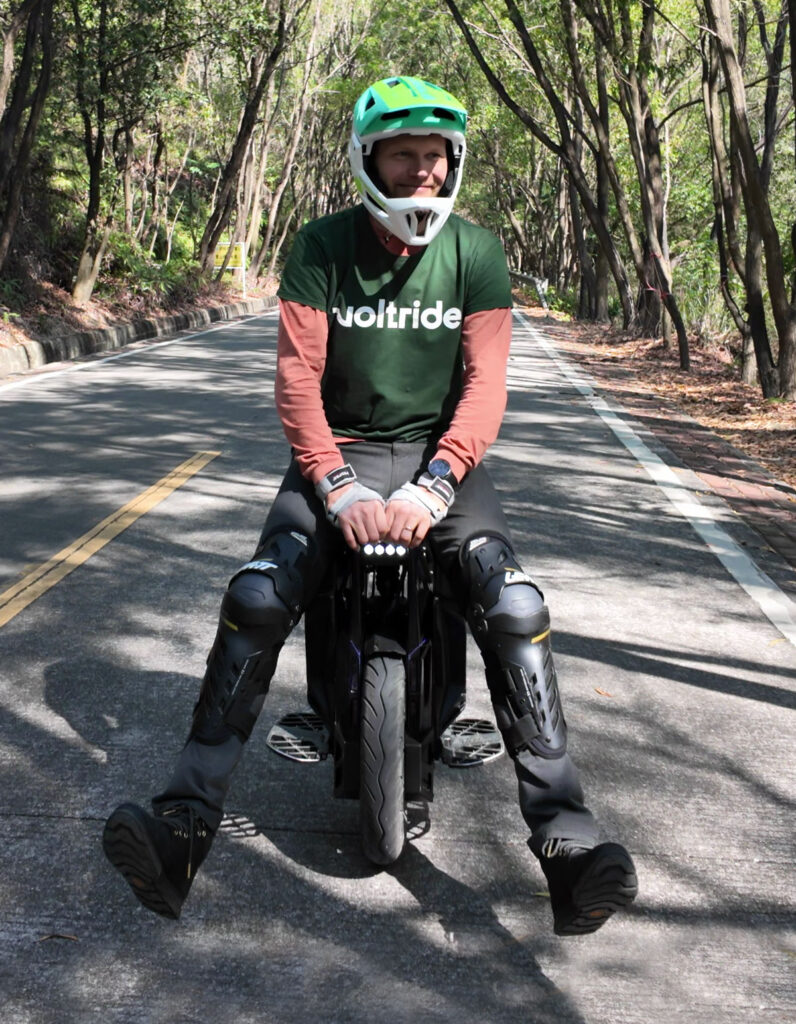
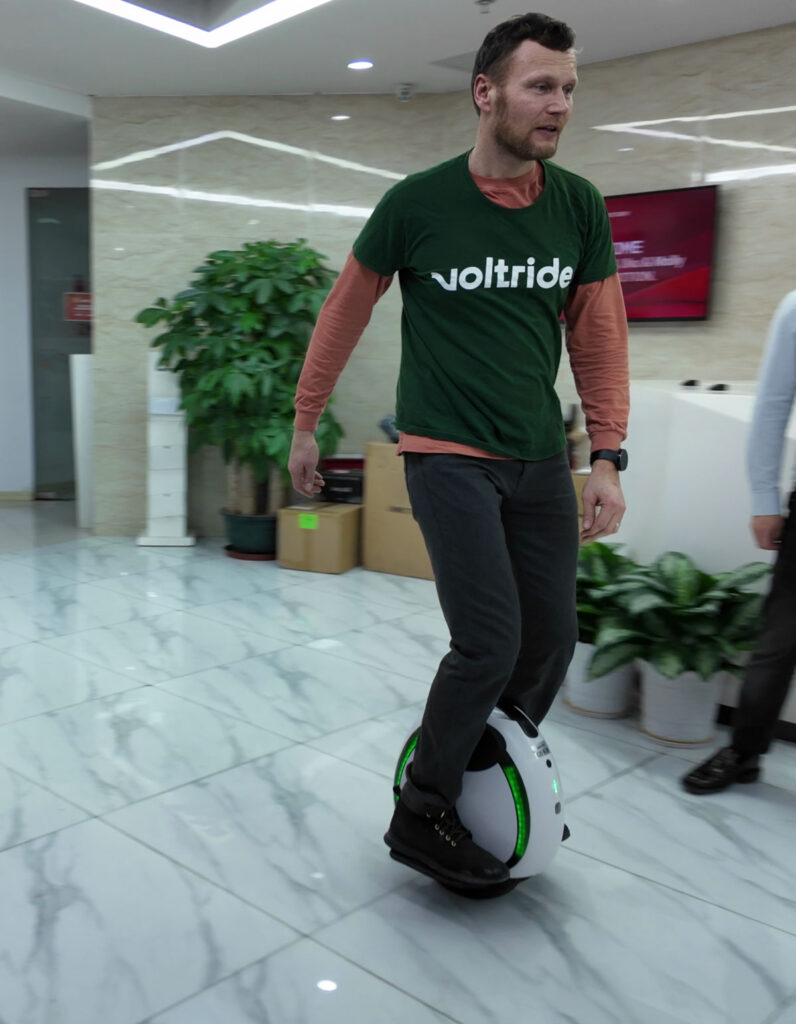
Voltride started in 2016 as a family company gathering enthusiasts and specialists to attract more and more people and businesses to the electric lifestyle. Lifestyle of fun and function, or to put it more elegantly: commuters, active riders and professional users in delivery, tourism and business operations. Voltride is one of the largest players in Scandinavia and the Baltics in the area of personal electric mobility, serving customers across Europe.
Over 12,000 items shipped
2,000 + products and spare parts available in stock
Deliveries to over 34 countries





 About Us